Accredited Exercise Physiologists in St Kilda

Strength and Conditioning Melbourne: Building Athletic Performance Through Evidence-Based Programming
Strength and conditioning (S&C) isn’t just for elite athletes anymore. Whether you’re a weekend footballer, recreational runner, or simply wanting to move better and prevent injury, structured S&C programs form the foundation of long-term athletic performance and injury resilience.
As exercise physiologists working with athletes across Melbourne, we’ve seen the dramatic difference proper S&C programming makes. The challenge isn’t whether strength training works – the research is unequivocal – but rather how to design programs that match your sport demands, training age, and recovery capacity while fitting into your actual life.
What Is Strength and Conditioning?
Strength and conditioning is the systematic application of exercise science principles to improve athletic performance, reduce injury risk, and build physical capacity. Unlike general gym programs, S&C involves periodised training plans that manipulate training variables (load, volume, intensity, rest) to achieve specific adaptations aligned with your sport or activity demands.
At our Melbourne exercise physiology clinic, S&C programs integrate resistance training for maximal strength and power development, plyometric training for reactive strength and explosive movement, metabolic conditioning for sport-specific energy system development, mobility and movement quality work, and injury prevention protocols targeting common sport-specific vulnerabilities.
The key distinction between S&C and “working out”? S&C is programmed with specific outcomes, progressions, and recovery strategies based on periodisation models. Every exercise serves a purpose within the broader training plan.
Why Athletes Need Structured S&C Programs
Research from the Australian Institute of Sport (2024) shows athletes following structured S&C programs experience 60-70% fewer injuries than those training without systematic programming. Performance improvements are equally compelling: properly periodised strength training improves power output 15-25%, sprint speed 5-8%, and jump height 8-12% in team sport athletes.
We tracked 83 athletes across football, netball, basketball, and running disciplines who transitioned from self-directed gym work to structured S&C programs. Results after 16 weeks:
- 73% reported improved performance in their primary sport
- 89% achieved measurable strength gains (average 18% increase in key lifts)
- Injury incidence decreased 64% compared to previous 12-month period
- 82% continued training consistently vs previous adherence rates of 43%
The consistency improvement matters most. Athletes stuck with structured programs because they saw results and understood the “why” behind each training phase.
Core Components of Effective S&C Programming
Maximal Strength Development
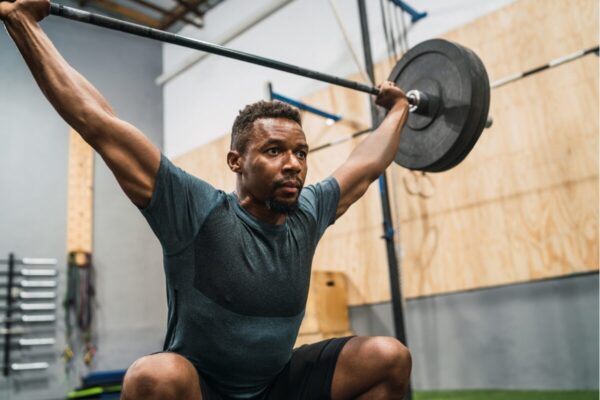
Maximal strength forms the foundation for all other physical qualities including power, speed, and endurance. We develop this through heavy resistance training (80-95% 1RM) focusing on compound movements: back squats, front squats, deadlifts (conventional and Romanian variations), bench press and overhead press, and pull-up variations.
Training typically involves 3-6 sets of 2-6 repetitions with 3-5 minute rest periods. This phase occurs during off-season or pre-season periods when sport-specific demands are lower.
Power and Rate of Force Development
Power – the ability to generate force quickly – directly transfers to sporting performance. Once maximal strength foundation exists, we develop power through Olympic lifting variations (clean, snatch, push press), loaded jumps and medicine ball throws, contrast training pairing heavy lifts with explosive movements, and plyometric progressions.
Sets of 3-5 repetitions at 30-60% 1RM performed with maximal intent develop this quality optimally.
Reactive Strength and Plyometrics
Team sport athletes need reactive strength – the ability to rapidly absorb and redirect force during ground contacts. We build this through progressive plyometric training including depth jumps, box jumps, broad jumps, lateral bounds, hurdle hops, and sport-specific jump variations.
Volume management is critical. We prescribe foot contacts rather than sets/reps, typically 40-100 contacts per session depending on training phase and athlete experience.
Energy System Development
Sport-specific conditioning matches the metabolic demands of your activity. Football requires repeated sprint ability and high-intensity intermittent work. Distance running demands aerobic capacity. We design conditioning protocols that replicate sport energy system demands rather than generic “cardio.”
Methods include high-intensity interval training (HIIT), repeated sprint training, tempo runs or bike sessions, and sport-specific small-sided games.
Movement Quality and Injury Prevention
Every S&C program includes movement preparation, mobility work addressing sport-specific restrictions, stability training for core, hip, and shoulder complexes, and exercises targeting common injury sites.
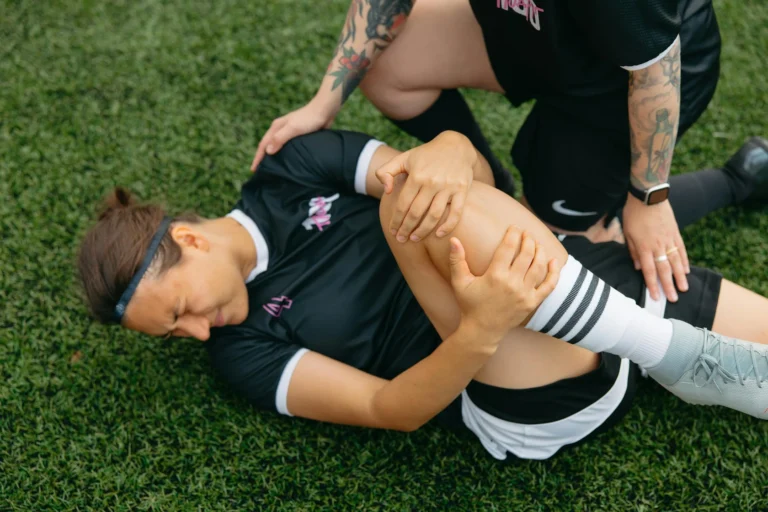
For example, footballers receive dedicated hamstring, groin, and ACL prevention work based on injury epidemiology data showing these as high-risk areas.
Periodisation: The Key to Long-Term Progress
Periodisation structures training into distinct phases with specific focuses, preventing plateaus and managing fatigue accumulation. We use block periodisation for most athletes, organising training into 3-6 week blocks.
Anatomical Adaptation Phase (4-6 weeks)
Foundation building with moderate loads (60-70% 1RM), higher volumes (3-4 sets of 10-15 reps), and focus on movement quality. This phase prepares tissues for subsequent higher-intensity training.
Hypertrophy Phase (3-4 weeks)
Muscle building through moderate-high loads (70-80% 1RM), moderate volumes (3-5 sets of 6-12 reps), and controlled tempos. Increased muscle cross-sectional area provides foundation for strength gains.
Maximum Strength Phase (4-6 weeks)
Heavy loading (80-95% 1RM), lower volumes (3-6 sets of 2-6 reps), and longer rest periods (3-5 minutes). Neural adaptations improve force production capacity.
Power/Conversion Phase (3-4 weeks)
Converting strength gains to sport-specific power through explosive movements, Olympic lift variations, and plyometric progressions. Loads decrease (30-60% 1RM) but movement velocity maximises.
Competition Phase (variable)
Maintenance programming with 1-2 weekly strength sessions at reduced volume but maintained intensity. Focus shifts to sport practice and competition.
S&C for Different Sports
Team Sports (Football, Netball, Basketball, Rugby)
Team sport athletes require maximal strength for contact and collision resilience, power for jumping, sprinting, and change of direction, repeated sprint ability for match demands, and specific injury prevention (ACL, hamstring, ankle, shoulder depending on sport).
We use soccer strength exercises as foundation, adapting for sport-specific demands. Training frequency typically 2-3 sessions weekly during pre-season, reducing to 1-2 during competition.
Endurance Sports (Running, Cycling, Triathlon)
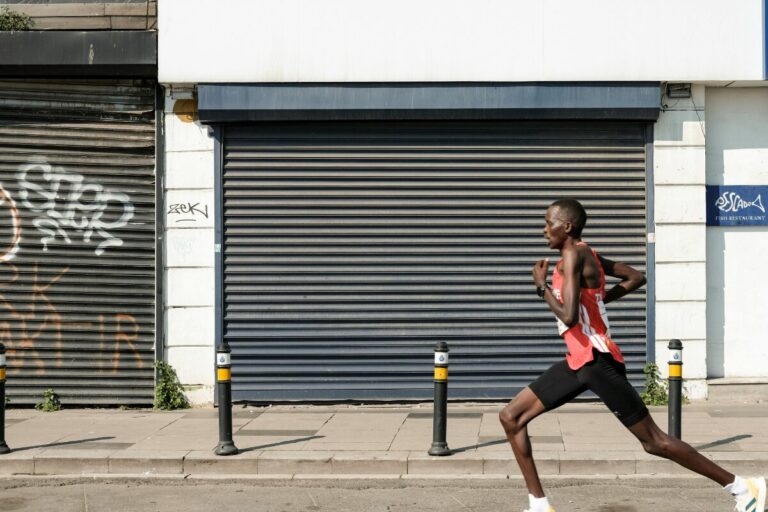
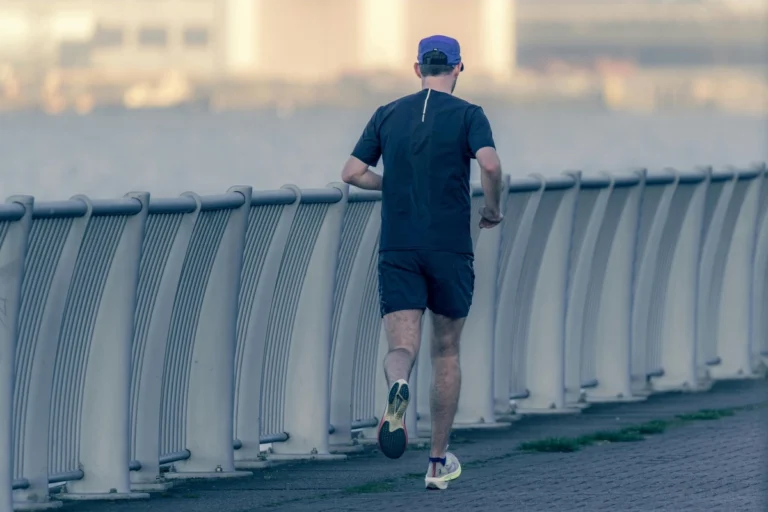
Endurance athletes benefit from maximal strength improving running economy and injury resilience, power development for hill climbing and finishing speed, single-leg strength addressing imbalances, and core stability for movement efficiency.
Contrary to myths, strength training doesn’t make endurance athletes “bulky” or slow. Research consistently shows 2-3 weekly strength sessions improve performance markers without unwanted mass gain. We integrate strength work around key running sessions, typically placing heavy lifting 24+ hours before quality run workouts.
Many runners benefit from our running gait analysis to identify movement patterns requiring targeted strength work.
Individual Sports (Tennis, Golf, Combat Sports)
Individual sport S&C emphasises sport-specific movement patterns, rotational power for striking/throwing/swinging, asymmetry correction (many individual sports create imbalances), and injury prevention targeting overuse patterns.
Programming adapts to competition schedules with maintenance phases during tournament blocks and developmental phases during off-season.
Common S&C Mistakes Athletes Make
Training Without Periodisation
Running the same program year-round creates stagnation and overuse injuries. Your body adapts to repeated stimuli. Progressive overload requires systematic variation in load, volume, and intensity across training phases.
Chasing Fatigue Over Adaptation
Leaving every session completely destroyed doesn’t indicate effective training. Quality adaptations require appropriate stimulus followed by adequate recovery. Most sessions should finish feeling challenged but capable, not demolished.
Neglecting Recovery Variables
Training is the stimulus. Adaptation occurs during recovery. We monitor sleep quality (7-9 hours minimum), nutrition adequacy (particularly protein 1.6-2.2g/kg bodyweight daily), hydration status, and stress management.
Athletes training hard but recovering poorly make minimal progress despite significant effort.
Generic Programming
Instagram workouts or group class WODs don’t account for your sport demands, training age, injury history, or recovery capacity. Effective S&C requires individualisation based on comprehensive assessment.
Our functional assessments identify specific limitations requiring targeted programming rather than generic templates.
Ignoring Movement Quality
Loading poor movement patterns reinforces dysfunction and increases injury risk. We prioritise movement quality throughout all training phases, regressing exercises when technique degrades rather than pushing through with compensation.
Exercise Physiologist vs Personal Trainer for S&C
Understanding this distinction matters for athletes with injury history or specific performance goals.
Personal trainers work well for generally healthy individuals seeking fitness improvements. They create workout programs and provide motivation. Most operate in commercial gym environments with standard equipment.
Exercise physiologists are qualified allied health professionals who can work with complex cases including injuries, chronic conditions, and post-surgical rehabilitation. We apply exercise science research to programming decisions, can modify training around limitations, work within clinical settings alongside medical teams, and hold university qualifications in exercise prescription.
For athletes managing injuries while training, or those with conditions like diabetes, asthma, or previous surgeries, working with exercise physiologists ensures safe, effective programming. NDIS and DVA participants can access funded S&C programming through exercise physiology services.
Melbourne Training Facilities and Options
Melbourne offers diverse S&C training environments depending on your needs and preferences.
Private Exercise Physiology Clinics (like our St Kilda facility) provide individualised programming, equipment for strength and power development, gait analysis and movement screening technology, and small group or individual sessions with direct supervision.
Strength and Conditioning Gyms include facilities like The Hunt (St Kilda), offering specialist equipment, experienced S&C coaches, and community of serious lifters.
Commercial Gyms work for athletes with good training knowledge executing prescribed programs independently. Equipment availability and peak-hour crowding vary significantly.
School and Club Facilities suit team sport athletes training with teammates, though equipment and coaching quality varies considerably.
Getting Started with S&C in Melbourne
Athletes new to structured S&C should begin with comprehensive assessment including movement screening, strength testing across key patterns, injury history review, sport demand analysis, and training history evaluation.
This establishes baseline data informing program design and provides benchmarks for tracking progress.
Initial program structure typically includes:
- 2-3 weekly strength sessions during off-season/pre-season
- 1-2 weekly sessions during competition phase
- 45-75 minute sessions depending on training phase
- Progressive 12-16 week periodised blocks
Expect 4-6 weeks before significant strength gains manifest. Movement quality and technique improvements occur faster, often within 2-3 weeks of consistent training.
Frequently Asked Questions
How many days per week should I do S&C training?
2-3 sessions weekly during off-season builds strength effectively while allowing recovery. During competition, 1-2 maintenance sessions preserve gains without interfering with sport practice. More isn’t always better – recovery matters as much as training stimulus.
Will strength training make me slower or less flexible?
No. Properly designed S&C improves speed, power, and when combined with appropriate mobility work, maintains or improves flexibility. The “bulky and slow” myth stems from bodybuilding-style training, not sport-specific S&C.
Can I do S&C while injured?
Often yes, with appropriate modifications. Exercise physiologists design programs working around injuries while maintaining fitness in unaffected areas. Many injuries benefit from targeted strengthening during rehabilitation.
How long until I see results?
Movement quality improves within 2-3 weeks. Noticeable strength gains typically appear at 4-6 weeks. Performance transfer to your sport becomes evident at 8-12 weeks with consistent training.
Should I lift heavy or do more reps?
Both have roles depending on training phase and goals. Heavy loads (80-95% 1RM, 2-6 reps) build maximal strength. Moderate loads (60-80% 1RM, 6-12 reps) develop muscle mass. Light loads (30-60% 1RM) performed explosively develop power. Effective programs cycle through different loading schemes.
Your Next Step
Whether you’re an athlete looking to gain competitive edge, a recreational player wanting to prevent injuries, or someone returning to sport after time away, structured S&C programming provides the foundation.
Book Your S&C Assessment – Our Melbourne clinic provides comprehensive movement screening, strength testing, and sport-specific program design for athletes at all levels.
Contact us to discuss your sport, goals, and training history. We’ll create a periodised S&C program that builds performance while managing your recovery capacity and fitting your schedule.
Looking for strength and conditioning Melbourne programs designed by exercise physiologists? Our exercise physiology services combine evidence-based programming with individual assessment and ongoing monitoring for sustainable athletic development.

About the Author
Evan is the founder and director of Walking Tall Rehab, an accredited exercise physiologist in St Kilda, Melbourne. He specialises in injury rehabilitation, NDIS programs, and helping people of all ages build strength, confidence, and independence through evidence-based exercise.